Where the Pool Becomes the View
 Noubi Says by NOUBIKKO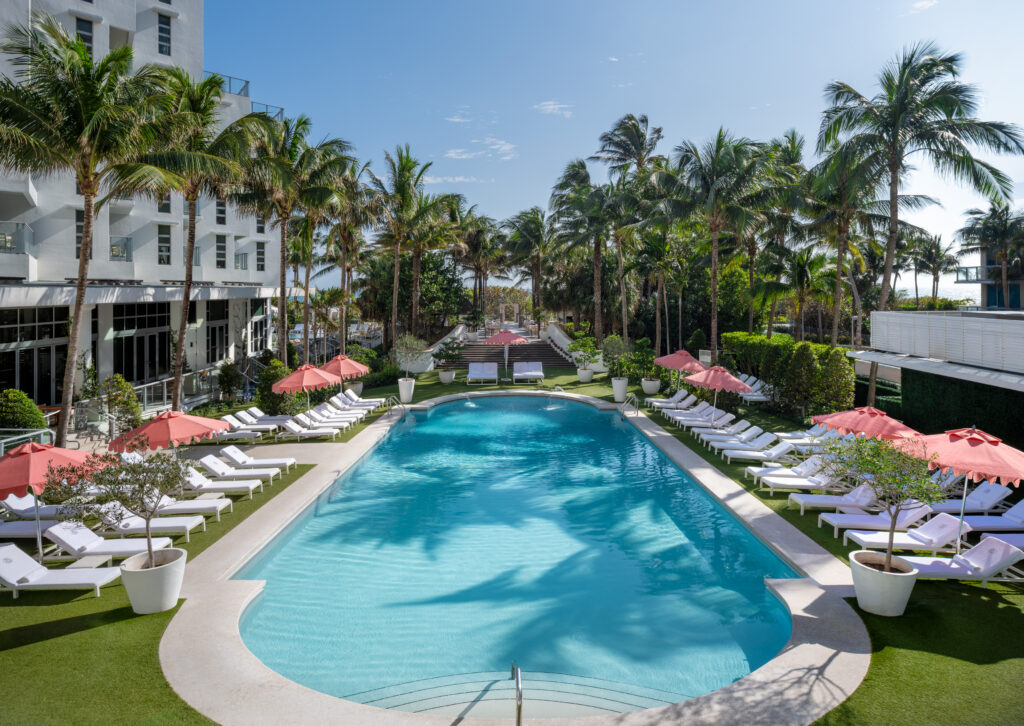
In coastal real estate and hospitality, proximity to the water has always been the headline. Now, it is how that water is experienced that defines true luxury. The modern hotel pool has taken on a far more central role, evolving into a primary design feature that shapes both the visual identity of a property and the way guests engage with it from morning through evening.
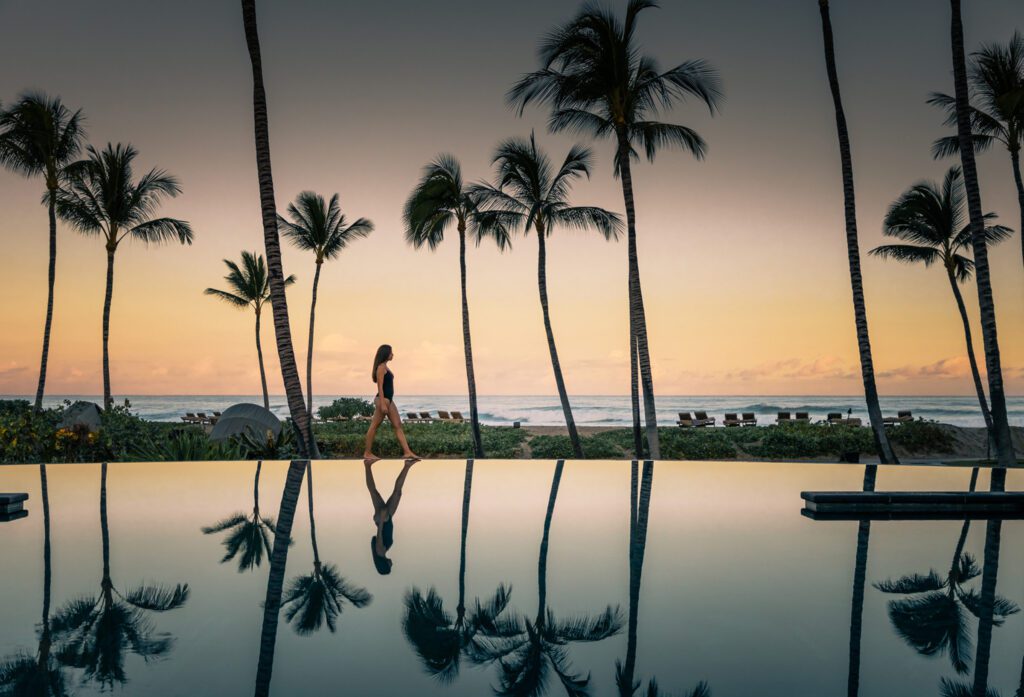
Today’s most successful coastal properties are not simply offering a place to swim. They are creating environments where the pool becomes an extension of the ocean, the bay, or the surrounding landscape, carefully positioned to capture light, views, and movement. The result is a shift in how luxury is expressed. It is less about access alone, and more about perspective, atmosphere, and intention.
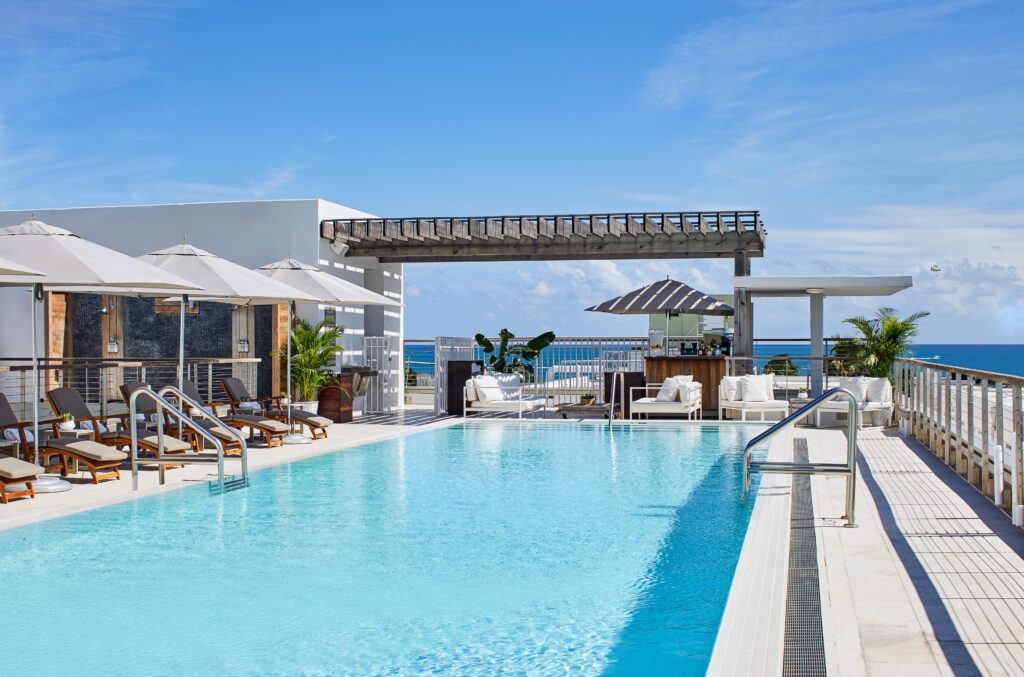
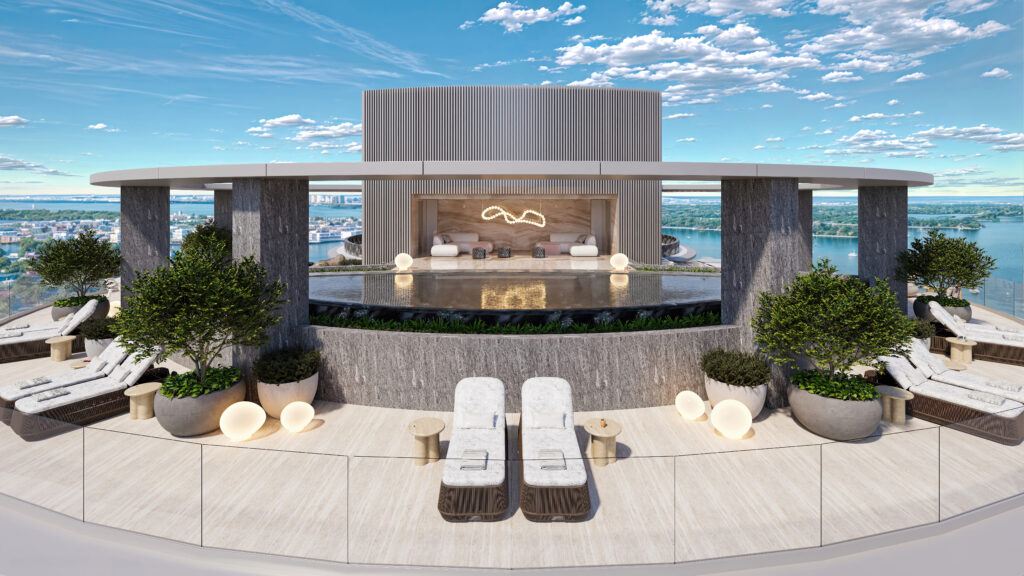
In Miami Beach, this approach is particularly pronounced. At The Betsy South Beach the rooftop pool is oriented to capture both the Atlantic Ocean and the Miami skyline, creating a dual vantage point that feels distinctly tied to place. The experience is layered, with adjacent rooftop spaces extending the setting beyond the pool itself. Guests move between shaded lounges, open-air seating, and panoramic viewpoints, all of which reinforce the connection between architecture and coastline.
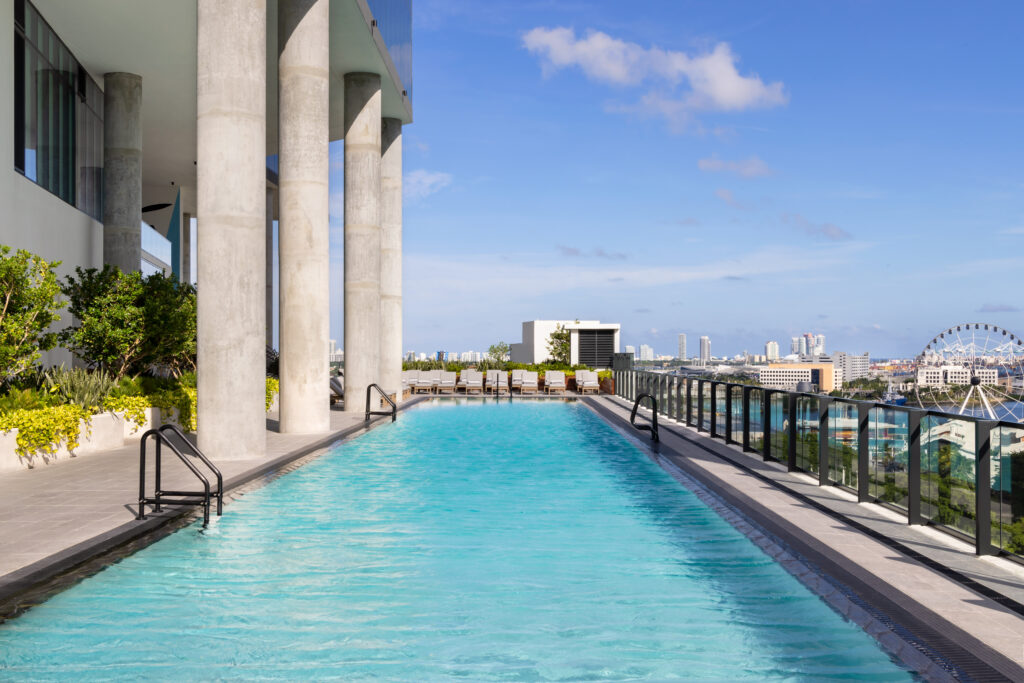
Nearby, The Elser Hotel & Residences takes a broader, more expansive approach. Its 132-foot-long pool sits within a 19,000-square-foot rooftop deck overlooking Biscayne Bay, where the scale of the space allows for multiple experiences to unfold simultaneously. Lounging, socializing, and quiet retreat all coexist within a single environment, with uninterrupted views serving as the constant thread that ties everything together.
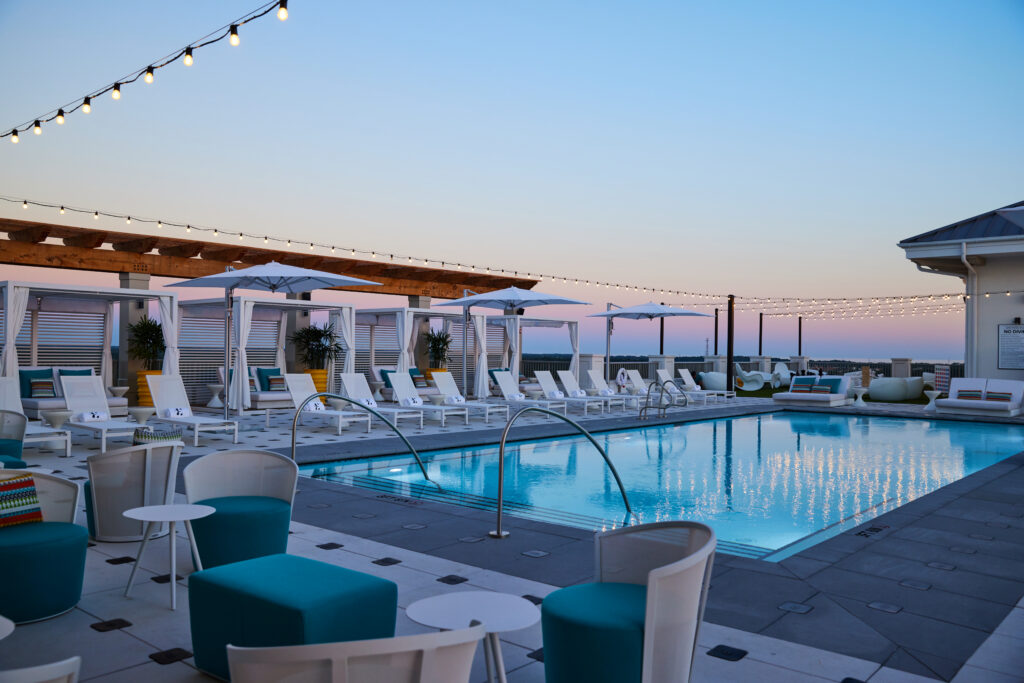
Further along the Gulf Coast, Hotel Effie – Ara Rooftop & Pool Lounge offers a different interpretation of coastal luxury. Elevated above the Emerald Coast, the pool is oriented toward the horizon, where sky and water meet. The design leans into openness, with cabanas, lounge seating, and activity zones arranged to maximize sightlines and airflow. Programming such as yoga sessions and live music adds another dimension, allowing the space to shift naturally from calm mornings to more social evenings.
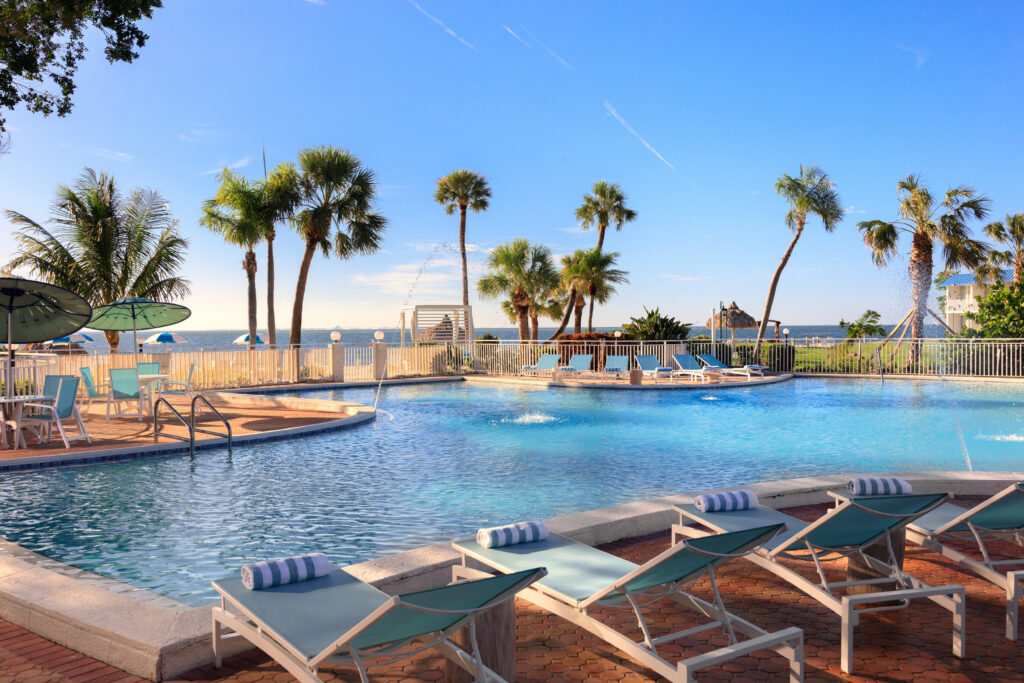
While rooftop environments continue to gain momentum, ground-level pools remain essential in coastal settings, particularly where the relationship to the shoreline defines the experience. At SkyBeach Resort in St. Petersburg, Florida, the design draws directly from its Gulf-front setting. The Headliner Pool sits just steps from the beach, where the transition between pool and ocean feels seamless. Sightlines remain open, allowing the surrounding landscape to remain present at all times. In contrast, the Serenity Pool offers a more enclosed, intimate experience, where the focus shifts inward, toward relaxation and privacy.
This duality reflects a broader trend in coastal design. Properties are creating multiple environments that respond to different moments of the day, rather than relying on a single, all-purpose space.
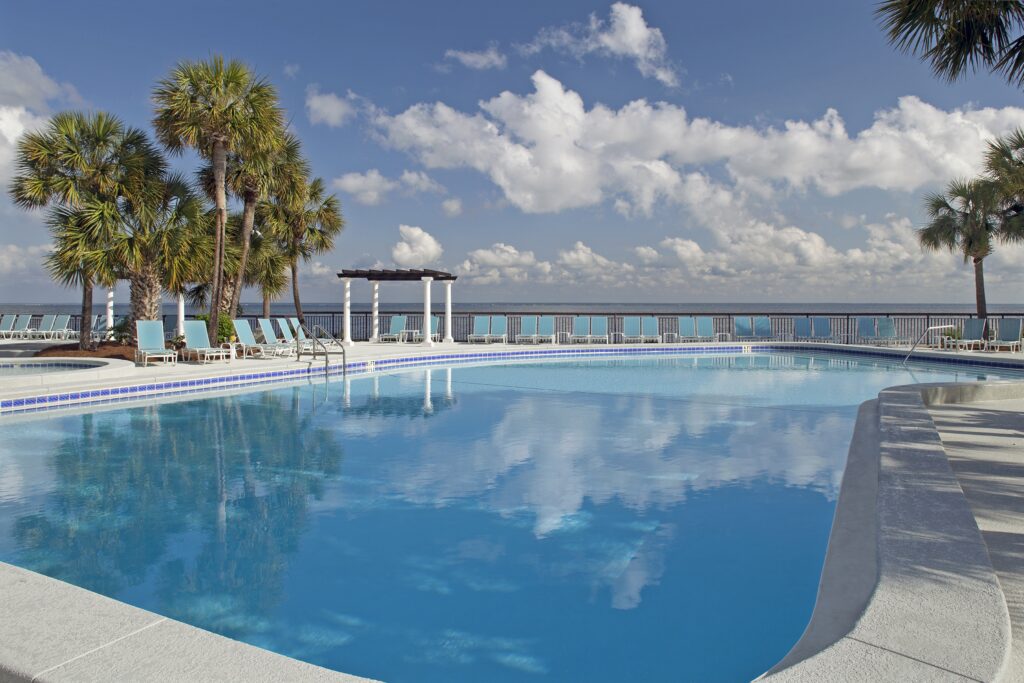
At Sandestin Golf and Beach Resort this concept expands further. Four distinct pools are positioned across the property, each offering a unique relationship to the surrounding water. Some capture bayfront sunsets, others sit closer to the beach, while more secluded options provide a sense of retreat. Together, they create a layered experience that allows guests to move through the property in a way that feels fluid and personalized.
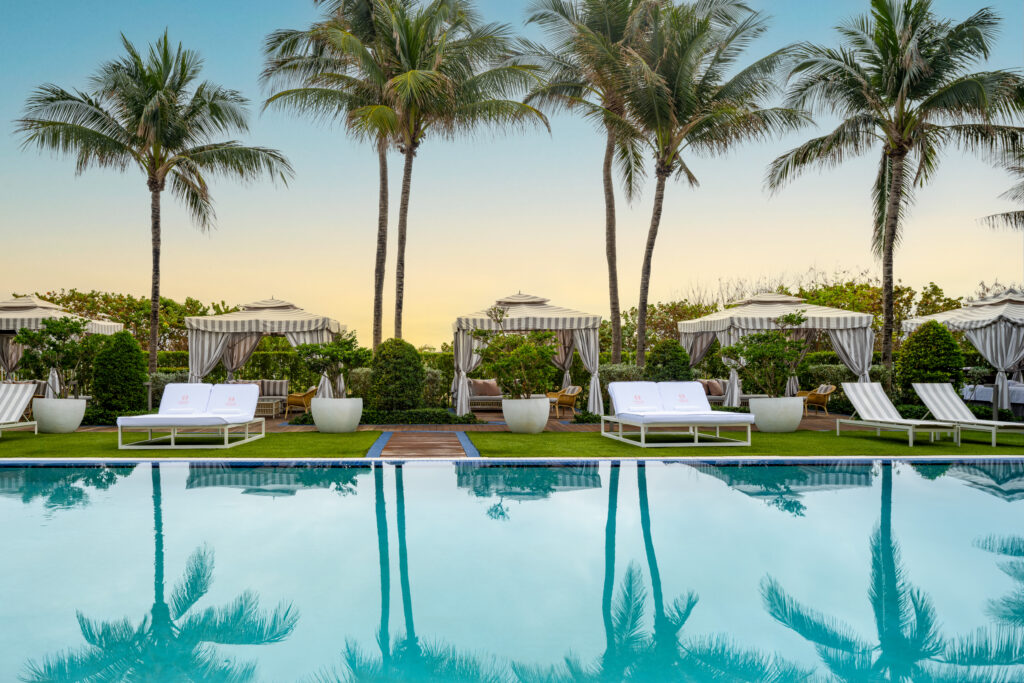
Design language plays an equally important role in shaping these spaces. At Cadillac Hotel & Beach Club the pool environments reflect the character of Miami Beach itself. The main pool introduces color, symmetry, and a sense of energy, framed by palm trees and vibrant design elements. A separate adults-only cabana pool offers a quieter counterpoint, where the emphasis shifts to calm, shade, and a more refined atmosphere.
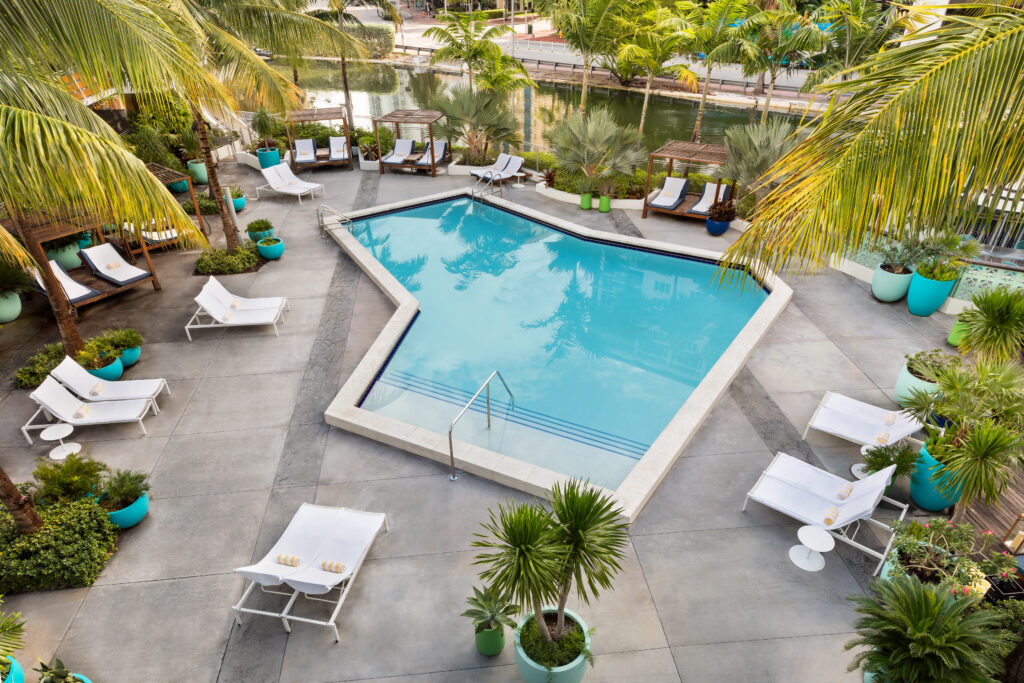
For those drawn to a more intimate scale, boutique properties offer a different perspective on coastal luxury. The Gates Hotel South Beach the pool deck overlooks a canal, integrating water in a more understated way. The setting feels residential, with a layout that encourages slower movement and longer stays.
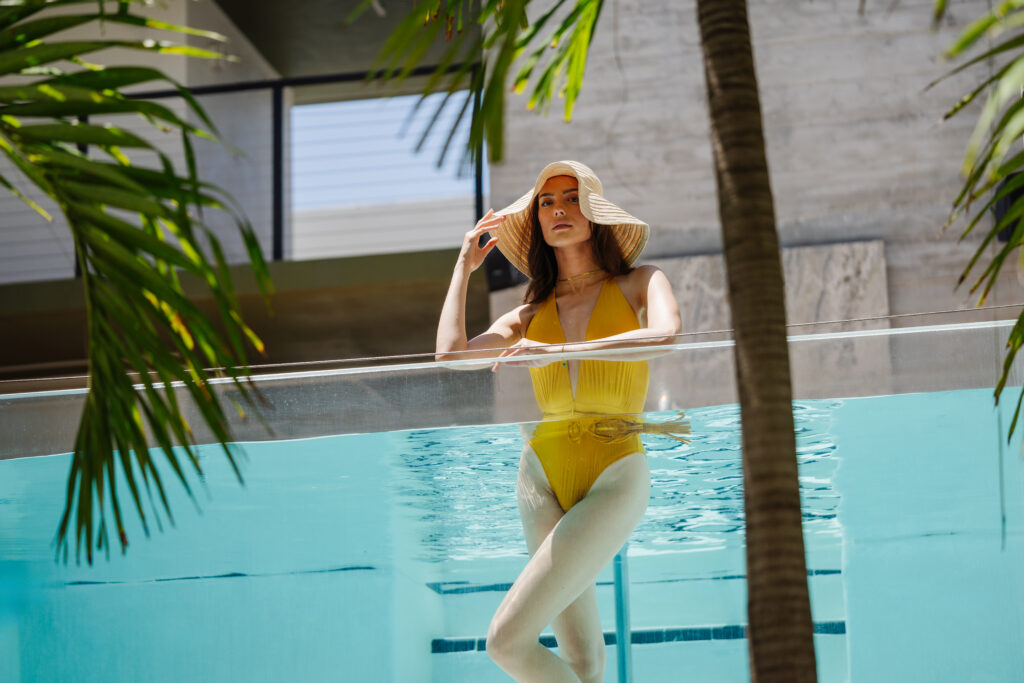
Similarly, Balfour Miami Beach centers its experience around a smaller plunge pool, where materials like terracotta tile and surrounding greenery create a sense of enclosure and warmth. Here, luxury is expressed through detail and atmosphere rather than scale.
Across all of these properties, a clear pattern emerges. The pool is no longer designed in isolation. It is conceived as part of a larger coastal narrative, where architecture, landscape, and water are closely aligned.
Views are framed intentionally. Movement through the space is considered. The transition from day to evening is built into the design. Every element contributes to how the setting is experienced, rather than simply how it looks. This shift reflects a deeper understanding of what defines luxury in coastal environments today. It is not just about being near the water, but about how that proximity is translated into daily experience.
The most compelling properties recognize this and design accordingly. They create spaces where guests can settle in, take in the view, and move effortlessly between moments of energy and calm. In doing so, they elevate the role of the pool from amenity to centerpiece, shaping not just the layout of the property, but the entire rhythm of the stay.
The post Where the Pool Becomes the View appeared first on Ocean Home magazine.